Brief description
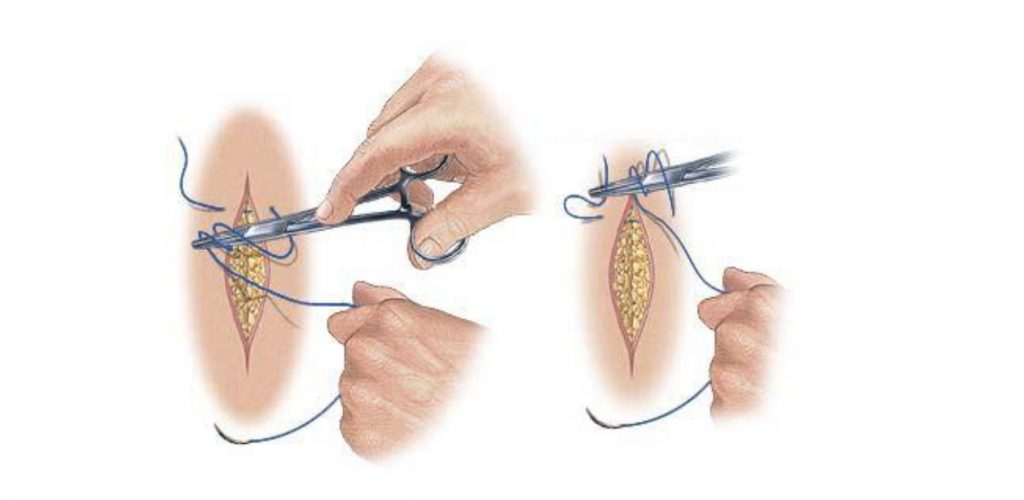
There are many types of lumps or lesions on the skin or in the deeper tissue that can cause you symptoms or can be worrying. They can occur on any location on your body and these include lipomas, fibromas, dermal cysts, and skin blemishes or warts. In most cases these are completely innocent and can safely be ignored. If the lump needs removal, an excision will be performed. The lesion is cut out using an incision which is planned to leave the best possible scar afterwards. Whenever possible this means using natural skin lines and creases. The wound is closed usually with stitches.
Why is this operation necessary?
There are three good reasons for having the lump or lesion taken out. Firstly, you will be freed from the symptoms, secondly it will no longer be there to worry you and thirdly we can examine the tissue under a microscope to find out exactly what it is.
Are there alternative treatments available?
A lump or lesion can usually not be removed without cutting it out. In some cases it would not be necessary to remove the whole lesion, where only a small sample is removed for analysis this is called an incisional biopsy. In many cases it is not necessary for a full anaesthetic and small lesions can be removed with local anaesthetic only. Your surgeon will discuss the procedure with you in detail and will answer any questions you may have before the operation.
Is it safe to have this operation?
Before you agree to the operation, you should consider the risks that may be involved. Your surgery will be performed by a team of highly qualified and skilled professionals who will take all steps necessary to ensure a safe procedure and a successful result. However, there are risks involved with all surgery even if these risks are small.
WHAT ARE THE GENERAL RISKS INVOLVED?
There are risks which may occur with any surgical procedure. These include the risk of infection, bleeding, pain, wound breakdown, deep vein thrombosis, or complications affecting the heart, lungs or kidneys.
WHAT ARE THE SPECIFIC RISKS INVOLVED?
This procedure is relatively minor and the risks are minimal. An infection may develop in the wound which can be treated with antibiotics and possibly dressings. There may also be some bleeding or ooze from the wound afterwards requiring dressings.
WHAT ARE THE ANAESTHETIC RISKS INVOLVED?
You can discuss the type of anaesthetic you will have with your anaesthetist and also the possible complications that may occur.
WHAT SHOULD I DO BEFORE THE OPERATION?
If you are having a general anaesthetic you should not eat anything for at least six hours before your operation and stop drinking clear fluids two hours before your surgery. You should take all your regular medication as usual on the day. Your surgeon may want you to stop certain medication such as disprin, warfarin, or other blood thinning medicines before the operation.
WHAT HAPPENS BEFORE THE OPERATION?
Please report to the hospital reception on time for your admission. Please bring along all the documents that may be required such as your medical aid card, ID and contact details. If you are not a member of a medical aid you will be required to pay a deposit or to sign an indemnity form. As far as possible we will try to advise you about hospital costs before your admission.
When you arrive in the ward, you will be welcomed by the nurses or the receptionist and will have your details checked. Some basic tests will be done such as pulse, temperature, blood pressure and urine examination. You will be weighed and measured. You will be asked to hand in any medicines or drugs you may be taking, so that your drug treatment in hospital will be correct. Please tell the nurses of any allergies to drugs or dressings. The surgeon will have explained the operation and you will be asked to sign your consent for the operation. If you are not clear about any part of the operation, ask for more details from the surgeon or from the nurses.
Please do not shave or wax prior to your surgery, your surgeon will shave the area needed in theatre.. You may be issued with compression stockings that will help prevent blood clots in your legs If you are having a general anaesthetic, the anaesthetist who will be giving your anaesthetic will interview and examine you and they may put up a drip or prescribe some medication to help you relax.
You will be taken on a trolley to the operating suite by the staff. You will be wearing a cotton gown and disposable underwear. Wedding rings will be fastened with tape and removable dentures and spectacles will be left on the ward. There will be several checks on your details on the way to the operating theatre where your anaesthetic will begin.
HOW LONG DOES THE OPERATION TAKE?
Usually about 30 minutes
WHAT HAPPENS WHEN I WAKE UP?
After the operation is completed you will be transferred back to the ward. Although you will be conscious a minute or two after the operation ends, you are unlikely to remember anything until you are back in your bed on the ward.
WILL I HAVE PAIN?
Some pain may be present, but this should be controlled to a level of mild discomfort with the painkillers that are prescribed. Ask the nursing staff for medication if you have pain.
HOW SOON AFTER THE OPERATION CAN I EAT?
You can eat immediately after the operation.
HOW SOON AFTER THE OPERATION CAN I GET OUT OF BED?
You should be able to walk as soon as you are awake.
HOW LONG WILL I STAY IN THE HOSPITAL?
Usually you can go home on the same day.
WHAT HAPPENS WHEN I AM DISCHARGED FROM THE WARD?
Your surgeon will determine when you are ready to go home. You will be given some medication for pain and you may also need to take antibiotics for a few days after you go home. You will be given instructions on the dressings and how to care for the wound. You will be asked to make an appointment for your follow-up in the surgeon’s rooms. You should ask for a sick certificate if you need this for your employer.
WHAT SHOULD I BE AWARE OF WHEN I GET HOME?
You should report any excessive pain or swelling of the wound and redness that spreads around the incision. Bleeding that continues should also be reported.
HOW SOON CAN I START EXERCISE?
You can perform routine activities as soon as you get home.
HOW SOON CAN I DRIVE A CAR?
You can drive as soon as you are discharged from the hospital. After a general anaesthetic it is not safe to drive within the first 24 hours
HOW LONG WILL I BE OFF WORK?
Usually only a day or two.